Make your garden a safe haven for local fauna

Wildlife-Friendly Gardens

/
/
Wildlife-Friendly Gardens

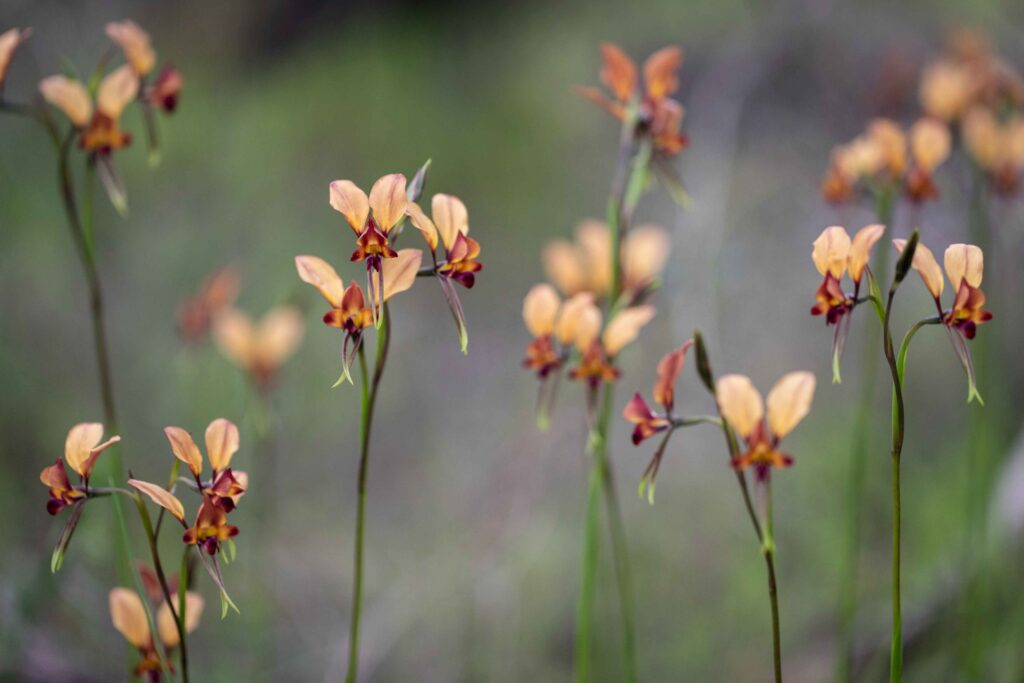
Planting Native Species

There are many things you can do to make your garden a safe and bountiful place for local wildlife to call home.

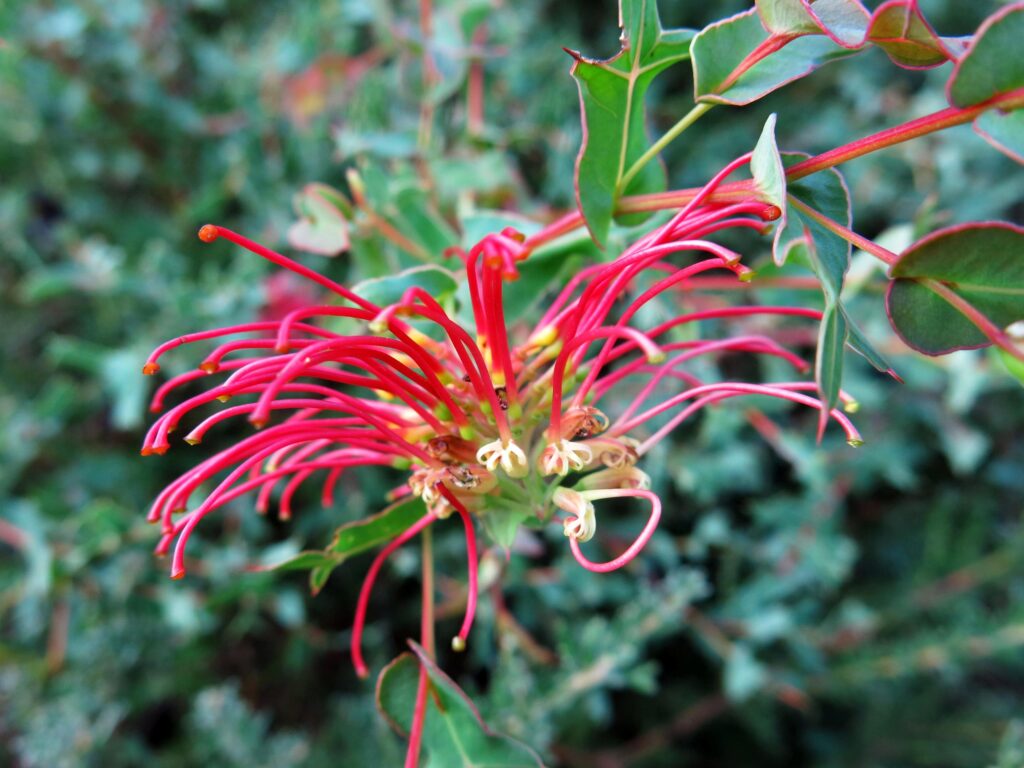
Australian native plant species have adaptations that suit them to our particular soil and climate conditions.

This means they require less water and fertiliser to grow well. There is a vast range of native species to suit any area of the garden and create year-round colour with flowering through the seasons.

Their canopies also provide critical shade in our urban environment.

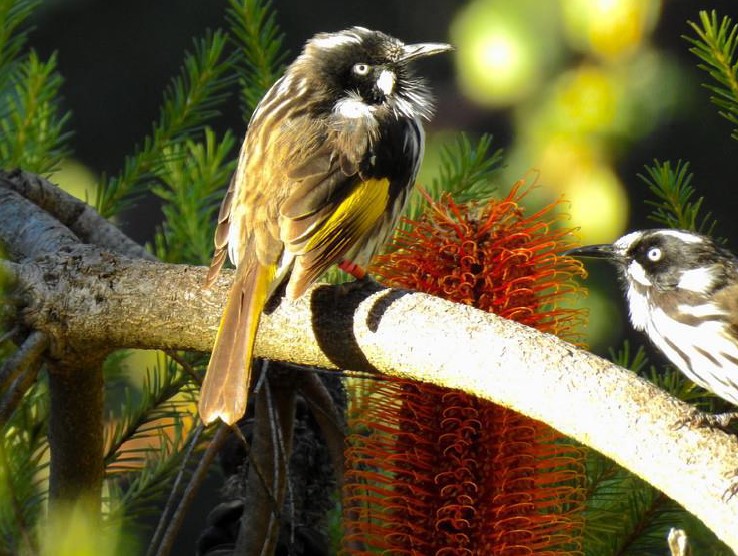
New Holland honeyeater

Ground Covers

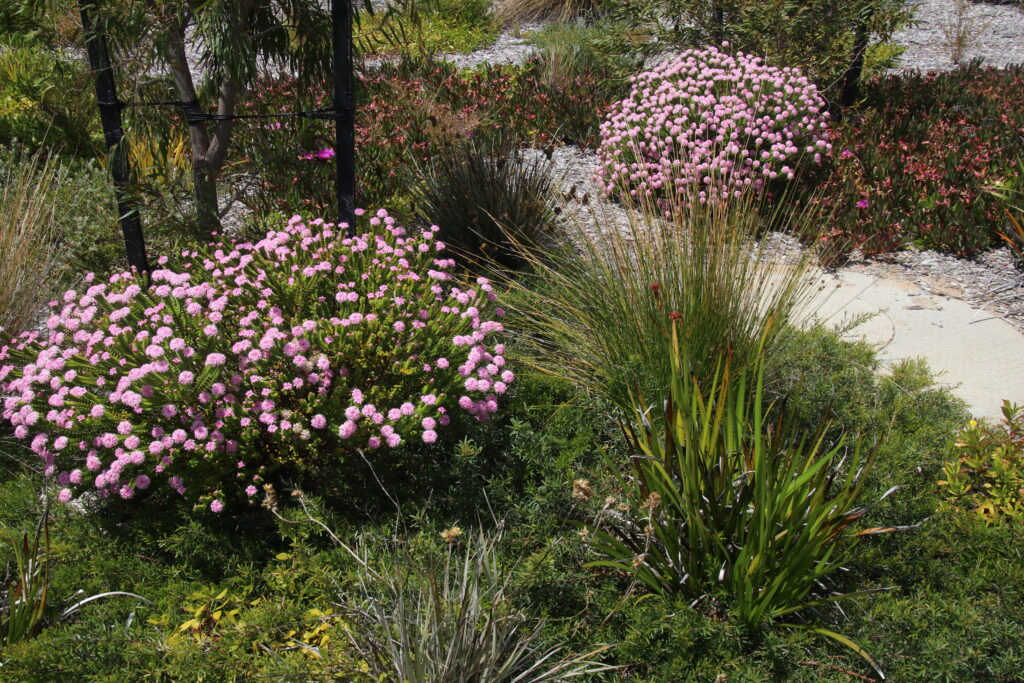
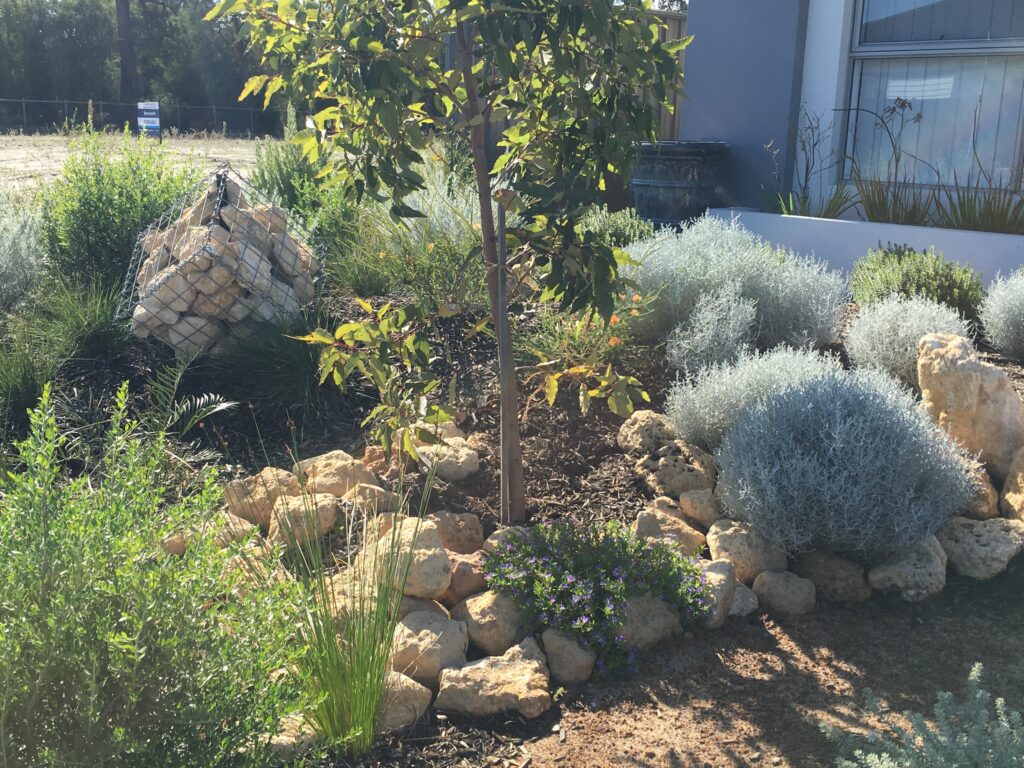
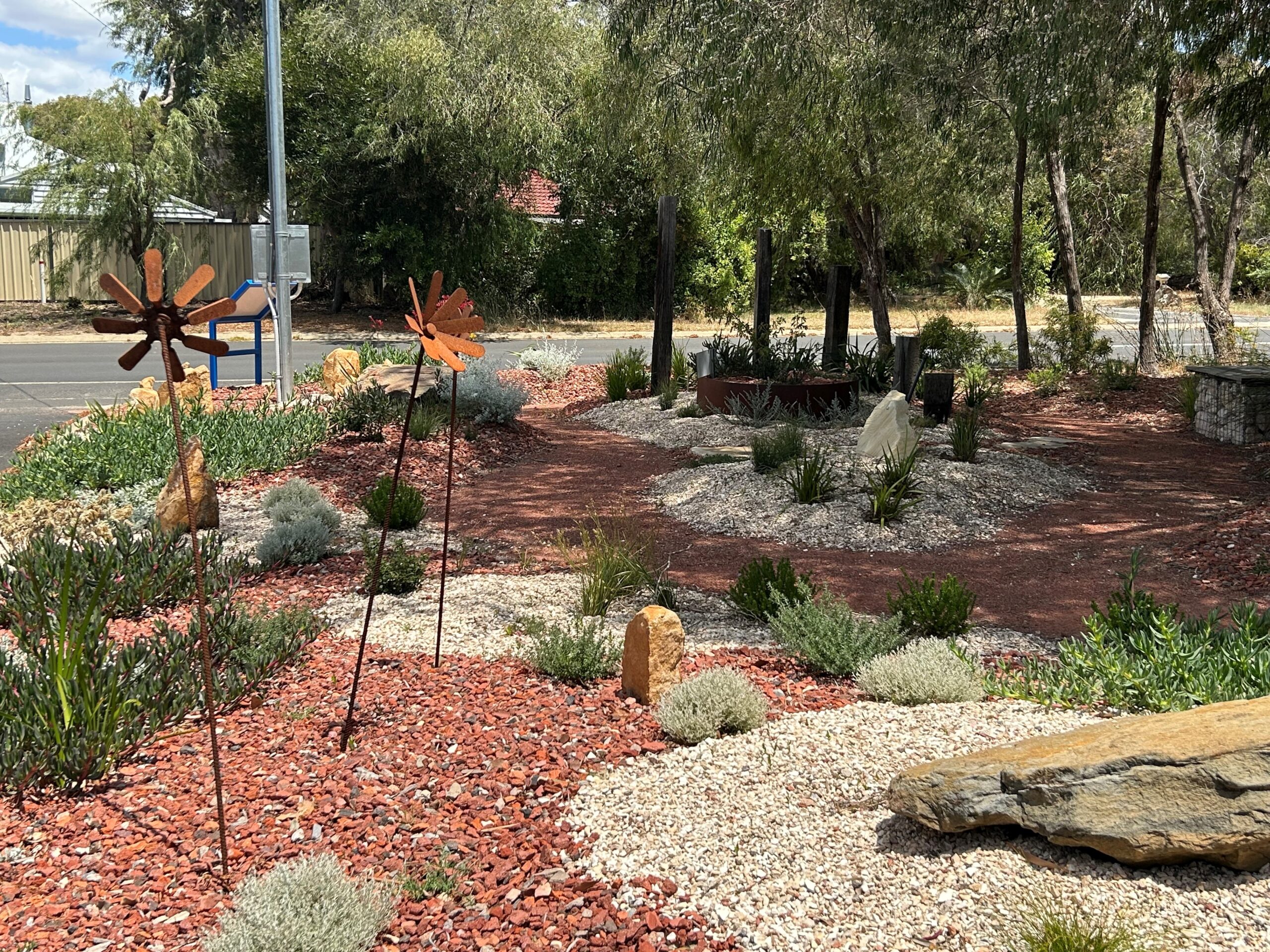
Hard surfaces can be replaced with low growing natives in many non-trafficable areas of the garden to allow water to infiltrate and help reduce the amount of potentially polluted stormwater entering our drainage systems. Other alternatives to impermeable surfaces include crushed gravel, mulch or permable paving.

By reducing the amount of hard surfaces on your property you are helping to:

  • Reduce the amount of stormwater runoff and increase groundwater recharge
  • Increase the local biodiversity and micro-organism activity in the soil
  • Reduce the effect of heat absorption

Habitat Gardens

Attract local wildlife to your garden with bee hotels, nest boxes, water bowls and frog ponds.

Frog ponds are great garden features that can encourage and support more than just frogs and help to control pests and diseases.

Don’t forget the reptiles and little bugs either – get creative with logs and rocks, and use plenty of organic mulch.

Featured Resources

Reptile Friendly Gardens

Gardening, Western Ringtail Possum
Lizards and other small reptiles are an important part of any healthy ecosystem.

The Western Ringtail Possum

Western Ringtail Possum
Learn all about this endangered species that lives in our own backyard.

Nest Boxes for Native Animals

Western Ringtail Possum
By providing nest boxes, you can help species survive, even in your own backyard.

Build it and they will come

Pets, Western Ringtail Possum
The structure and design of a garden can determine what wildlife species will visit or make a home.

UPCOMING EVENTS – COME SEE WHAT’S ON...

Events & Workshops

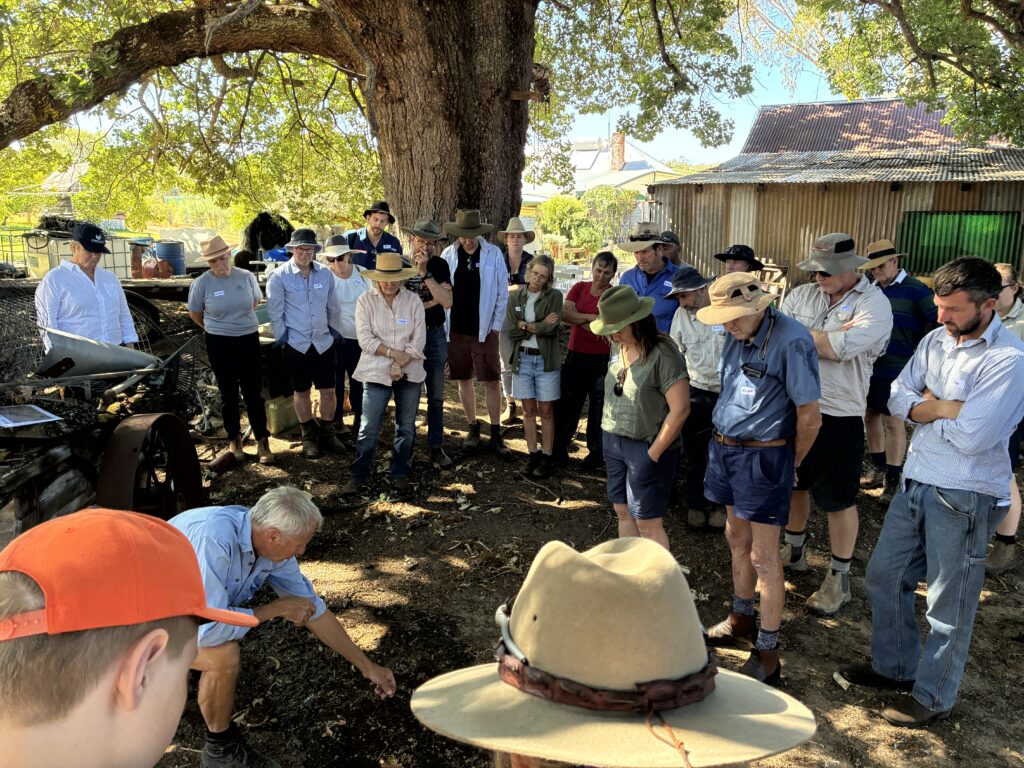
Join fellow farmers to learn how to collect accurate soil samples, as part of the 2025/26 Geographe Soil Testing Program.
Sustainable Agriculture
Feb 18, 2026
Join fellow farmers to learn how to collect accurate soil samples, as part of the 2025/26 Geographe Soil Testing Program.
Sustainable Agriculture
Feb 19, 2026
GeoCatch’s 2026 hydrology workshops teach water-smart planning with demos and tailored property advice – Dates to be confirmed.
Sustainable Agriculture
Mar 10, 2026

WHATS BEEN HAPPENING IN THE CATCHMENT?

News & Stories

Cool Cats Move Into Vet Hospital Catio

Three ‘cool cats’ made of ceramic and recycled copper by local potter Carol…

Pets at Home, Protecting Biodiversity
Nov 20, 2025

Seagrass thriving in Geographe Bay

Scientists undertaking seagrass research in Geographe Bay have found seagrass densities are at…

Protecting Biodiversity
Nov 18, 2025

Dung beetles on the move after late rains

More than 20 local farmers turned up to the Yelverton family farm in…

Sustainable Agriculture
Nov 4, 2025

Related Projects

Inspiration for your Bay OK garden creation!
Safeguard your property from bushfires.
Keeping nutrients in your garden and out of the bay.
Save water and money with a native garden or verge.
About GeoCatch

Find out how we work with farmers, the community and our partners.

Geographe Catchment

Discover what makes our Catchment unique.

Catchment Map

Explore your catchment area and its waterways using our interactive map.

Subscribe To Our Newsletters

"*" indicates required fields

I'm interested in*