Dairy farming is an important industry in the Geographe Bay Catchment. The 35 dairy sheds in our region produce quality milk for local and international markets, and represent a quarter of all dairies in Western Australia.
These highly productive farms can be a source of nutrients to waterways through fertiliser use, manure from livestock and effluent produced in the washdown process after milking.
Working with our dairy farmers provides an opportunity to improve water quality while also improving the productivity and profitability of dairy farms.
Managing dairy effluent
Dairy effluent upgrades
Dairy effluent includes the manure, urine, washdown water and anything else that makes its way to or is used in the dairy shed. This effluent is a significant source of nutrients to waterways in the Geographe Bay Catchment. Farmers can improve productivity on their farms by effectively reusing dairy effluent on farm while reducing this nutrient loss.
GeoCatch has a strong history of working with local dairy farmers to improve effluent management and reduce nutrient runoff into the Geographe Bay Catchment. Through collaboration with the Department of Water and Environmental Regulation and the dairy industry, we supported the development of best practice guidelines and helped farmers upgrade their effluent systems.
These efforts led to significant improvements on farms, with upgraded systems reducing phosphorus and nitrogen loads to local waterways, benefiting both farm productivity and environmental health.
While GeoCatch is no longer actively delivering dairy projects, we continue to support broader initiatives that protect water quality in our region. The Dairy for Healthy Estuaries project, led by Western Dairy in partnership with the Department of Water and Environmental Regulation, is now working with farmers and catchment groups to reduce nutrient runoff and improve the health of our estuaries.
The Code of Practice for Dairy Farm Effluent Management WA (2021) outlines the shared industry and agency expectations for dairy effluent management in the state. The Code provides clear standards for effluent management for all dairy sheds, as well as guidelines for new dairy sheds. The Code is used as a self-regulation tool for dairy farmers and as a reference for referral agencies across the state.
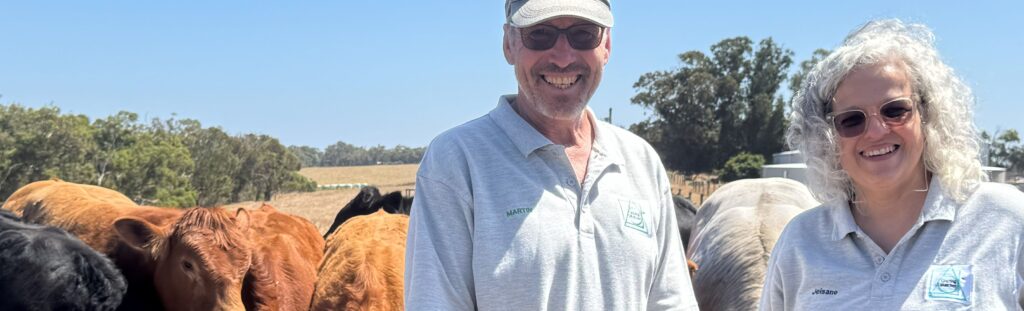
Join Jeisane Accioly (ALIS Consulting and Western Beef) and Dr Martin Staines for a practical workshop designed to help livestock producers assess feed availability, estimate livestock demand, and plan ahead with confidence.
An evening to celebrate a year of environmental achievements across the Geographe catchment, report to the community and thank the many people who have contributed to GeoCatch’s projects and events.