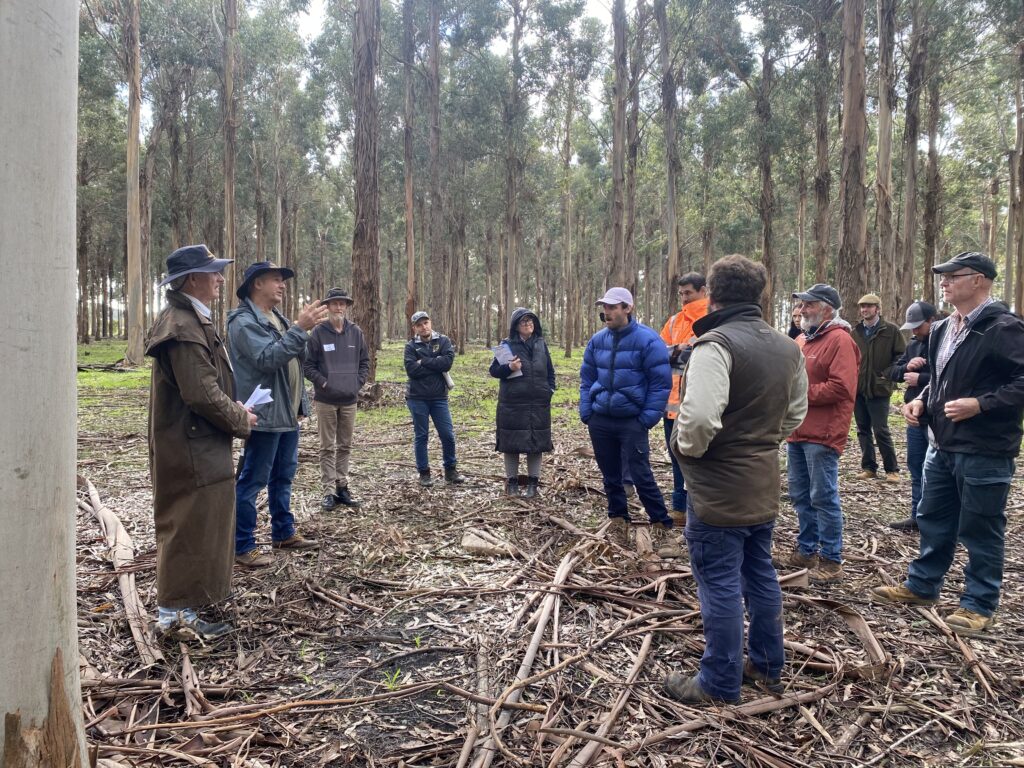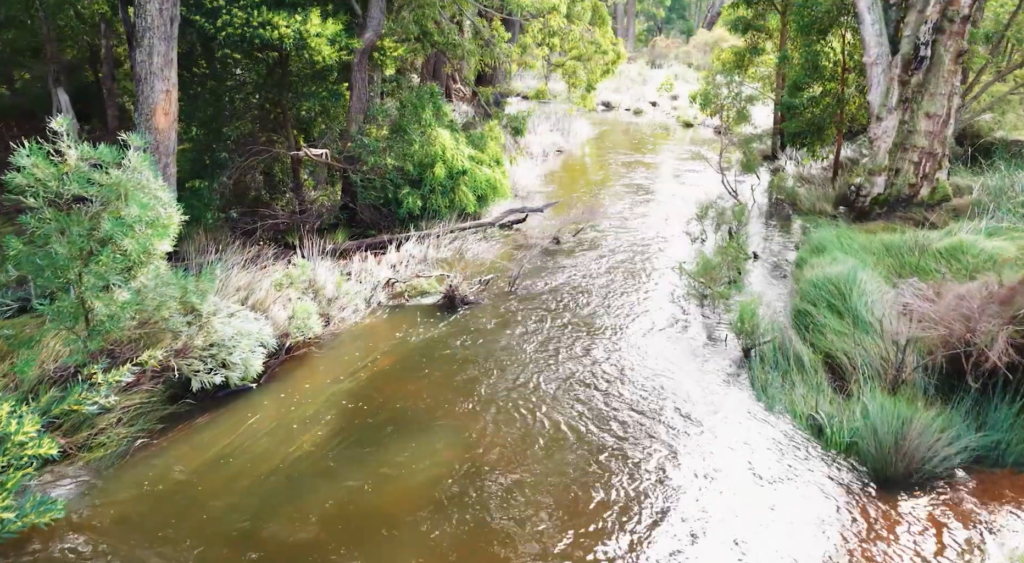
Local landholders looking to improve the health, productivity and biodiversity of their properties are invited to attend ‘Living Dams, Thriving Farms’, a practical workshop designed to help farmers transform farm dams into valuable environmental and agricultural assets.
Hosted by GeoCatch, the workshop will be held on Saturday 8 August 2026, from 9.30am to 11.30am at the Geographe Community Landcare Nursery in Ambergate.
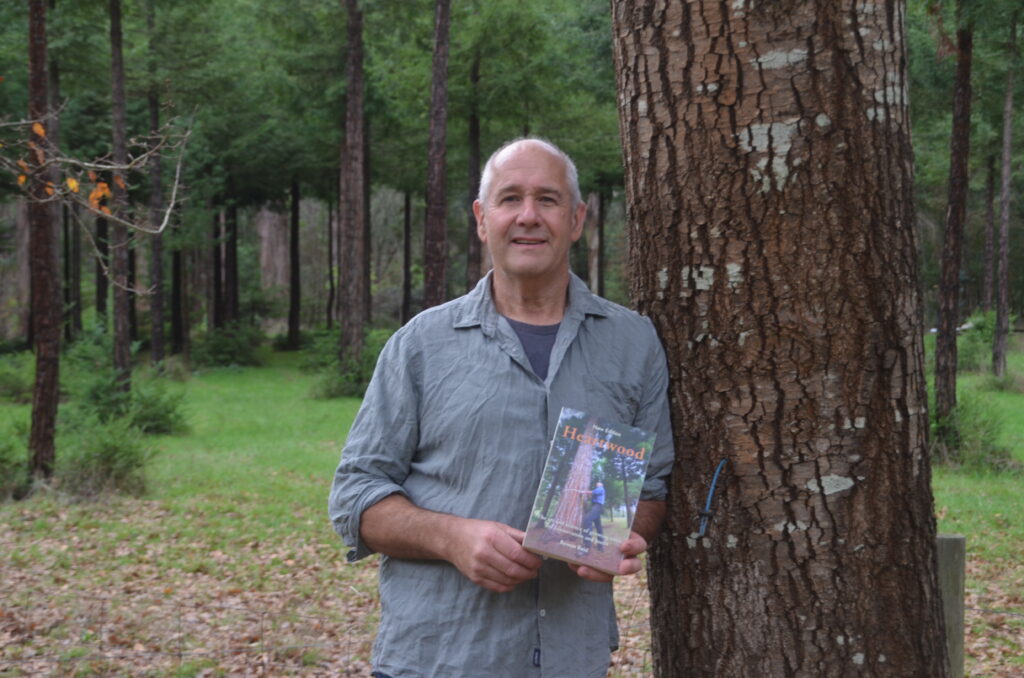
Participants will hear from rehabilitation expert Greg Overton, who will share practical advice and real-world examples from projects across the region, demonstrating how thoughtful revegetation can improve water quality, create habitat for native wildlife and deliver shade and shelter for livestock.
“The goal of rehabilitation isn’t just to plant trees, it’s to rebuild functioning ecosystems that support biodiversity for generations to come,” Mr Overton said.
“When a degraded site begins to provide shelter, food and habitat for birds and other wildlife again, that’s when you know your restoration work is making a real difference.”
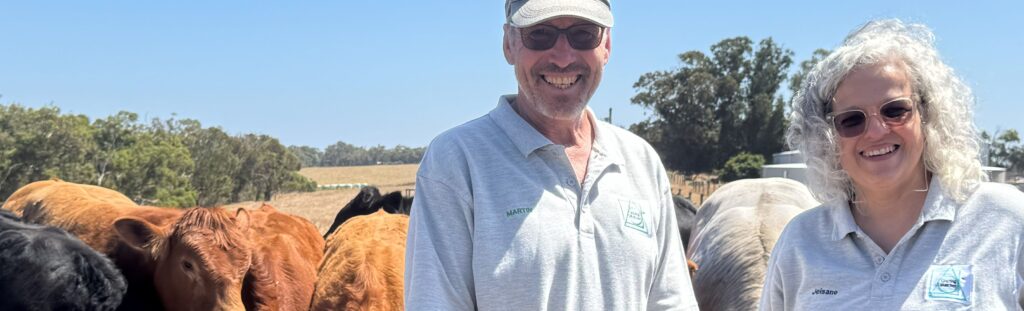
The workshop will also feature plant specialist Rod Cary from Geographe Landcare Nursery, who will provide guidance on selecting the right native species for different soil types, moisture conditions and management objectives.
“Every site is different, and choosing plants suited to local conditions is one of the most important steps in any revegetation project,” Mr Cary said. “The right species selection helps ensure your revegetation efforts thrive, not just survive.”
During the workshop, attendees will learn how to plan and plant dam revegetation for improved water quality and wildlife habitat, design effective shelterbelts that enhance stock welfare and farm productivity; select native species suited to their site, soils and moisture conditions; and manage weeds, protect young plants and establish long-term project success.
Places are limited and registrations are essential. To register, visit Living Dams, Thriving Farms Workshop
This project is supported by the Australian Government through funding from the Climate-Smart Agriculture Program under the Natural Heritage Trust, and by Healthy Estuaries WA and Revitalising Geographe Waterways, State Government programs.