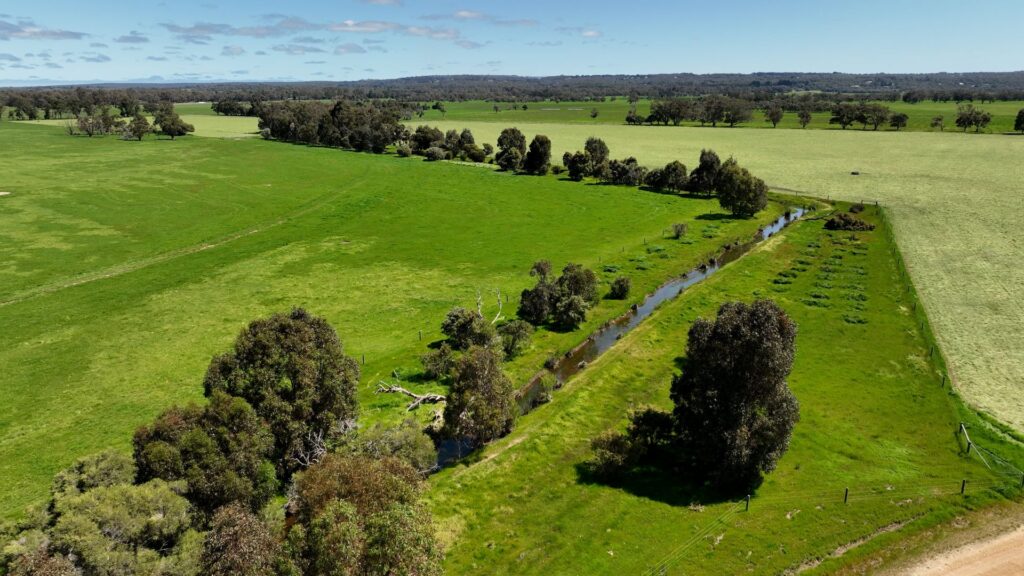
Local residents have shown a great interest in GeoCatch’s new three-year biodiversity initiative that aims to protect Broadwater Wetlands from the impacts of feral animals. More than 60 people attended a community information evening held on 9 June, eager to learn more and be involved in conservation efforts of the wetlands area.
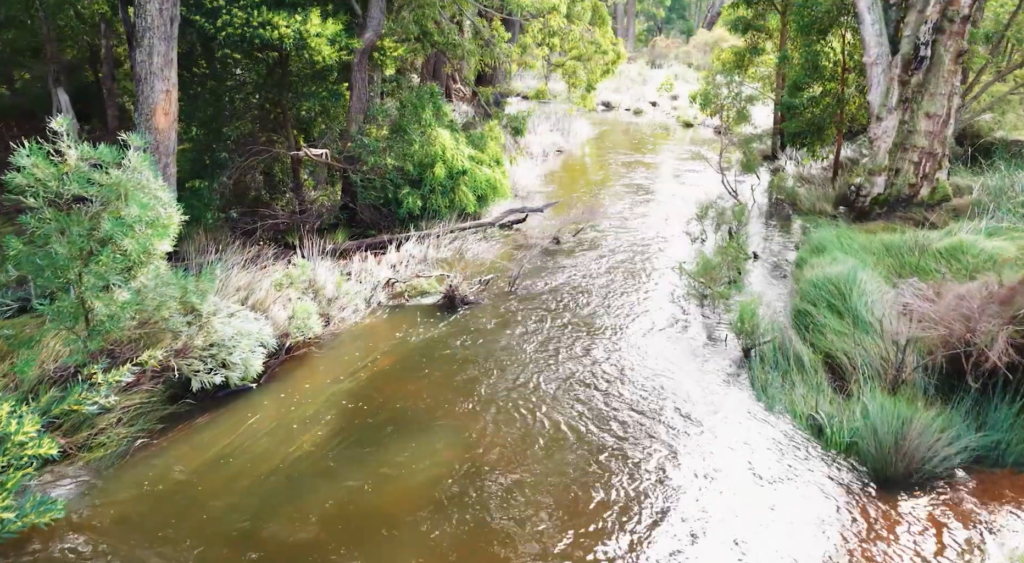
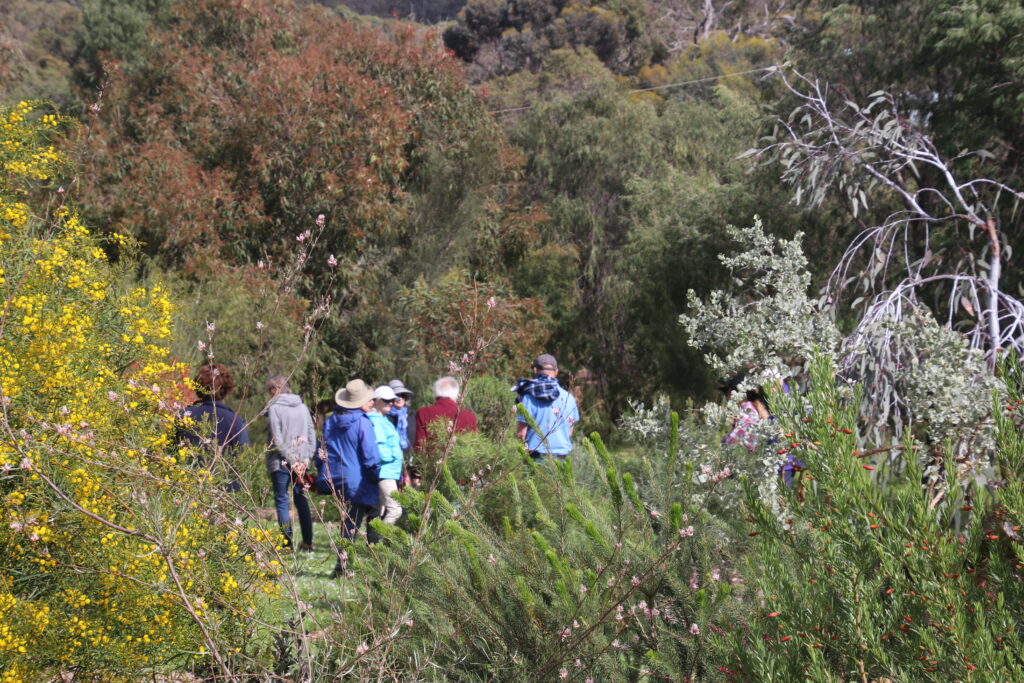
The event invited community members living near the Broadwater Wetlands to learn about the ecological significance of the area and explore opportunities to take part in a citizen science program focused on monitoring and managing feral animals.
The project will address the impacts of rabbits, foxes and feral cats across the wetlands, which pose a significant threat to native wildlife and habitat. By working with local landholders, GeoCatch aims to better understand feral animal distribution and impacts, while delivering coordinated control efforts.
GeoCatch Project Officer, Kim Loveridge said the project is an opportunity for the community to play an active role in protecting the Broadwater Wetlands. “By combining local knowledge with monitoring and control efforts, we can make informed decisions and achieve meaningful outcomes for biodiversity.”
The event featured presentations from leading experts in ecology and conservation. Aquatic ecologist Dr Robyn Paice, Senior Lecturer in Environmental Management and Monitoring at Edith Cowan University, spoke about the ecological importance of the Broadwater Wetlands for both wildlife and the local community.
Clare Forward from the WA Department of Biodiversity, Conservation and Attractions (DBCA) also shared insights into on-ground feral predator management in nearby reserves. Attendees learned about feral animal management approaches and how coordinated efforts across private and public land can improve outcomes.
Community members were also encouraged to contribute to a local survey capturing observations of feral animal activity and expressions of interest in participating in the program. You can complete the survey at
“We’ve seen great enthusiasm from the community, and that support will be key to the project’s success over the next three years,” said Ms Loveridge.
Further opportunities to get involved in monitoring activities will be shared in the coming months.
This project is supported by funding from the Western Australian Government’s State NRM Program.
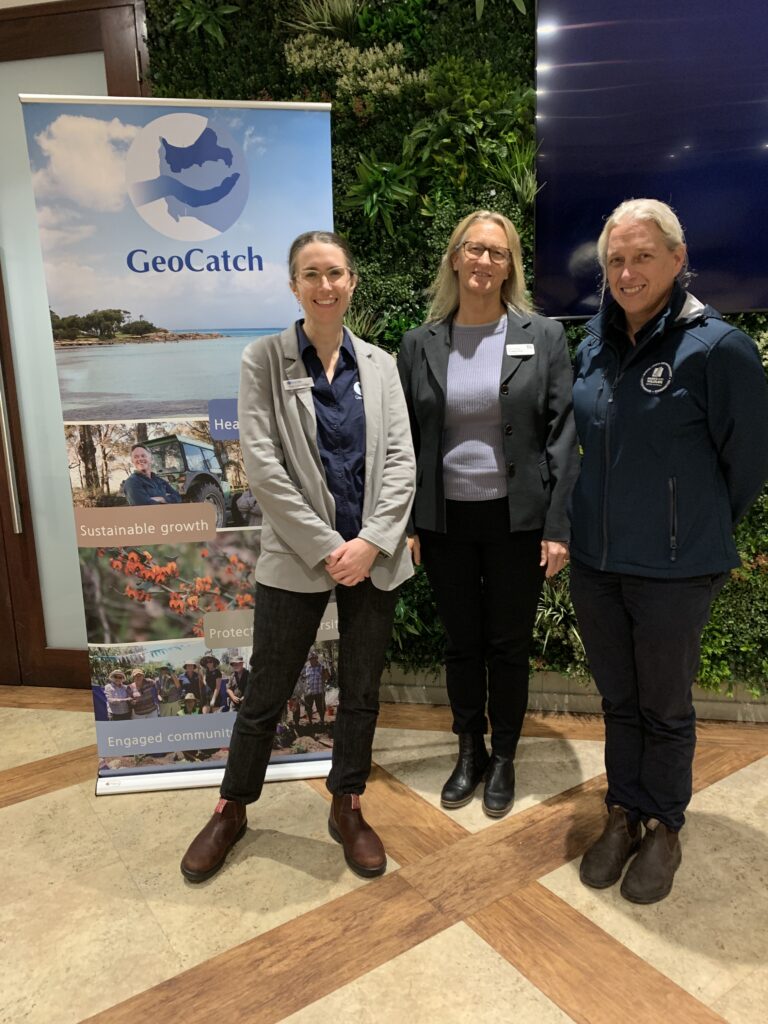
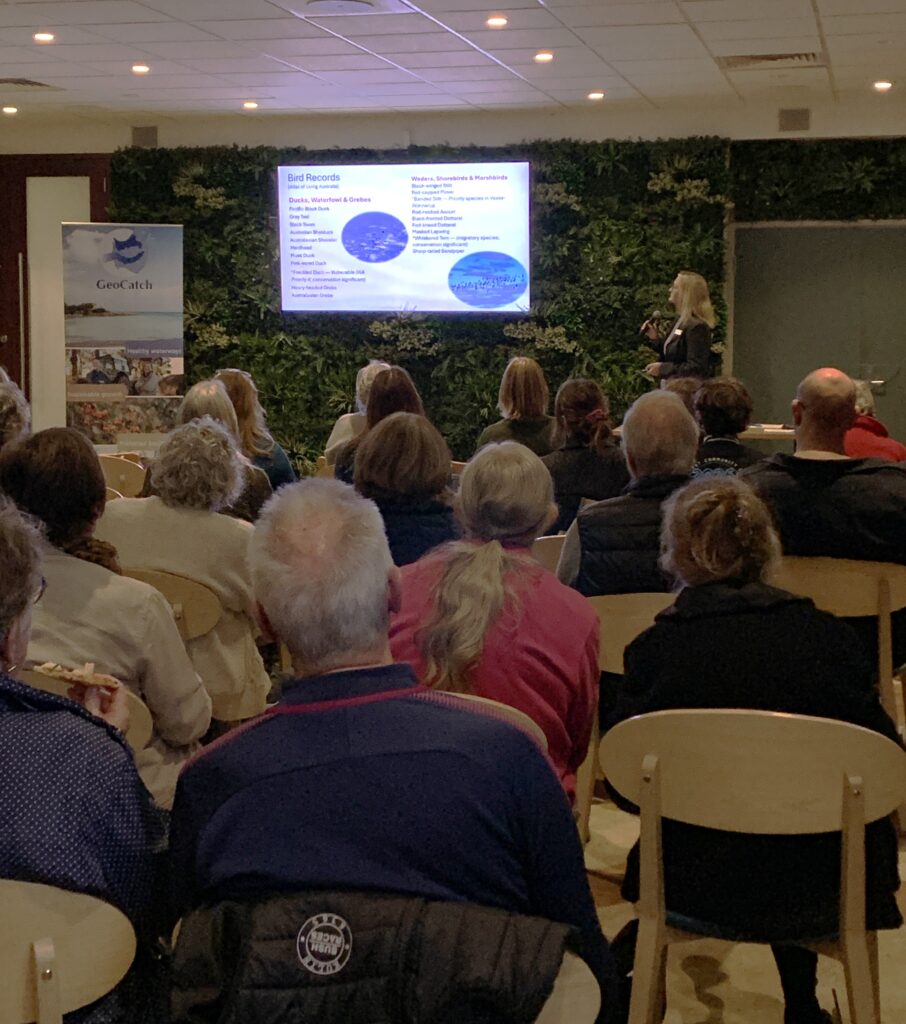
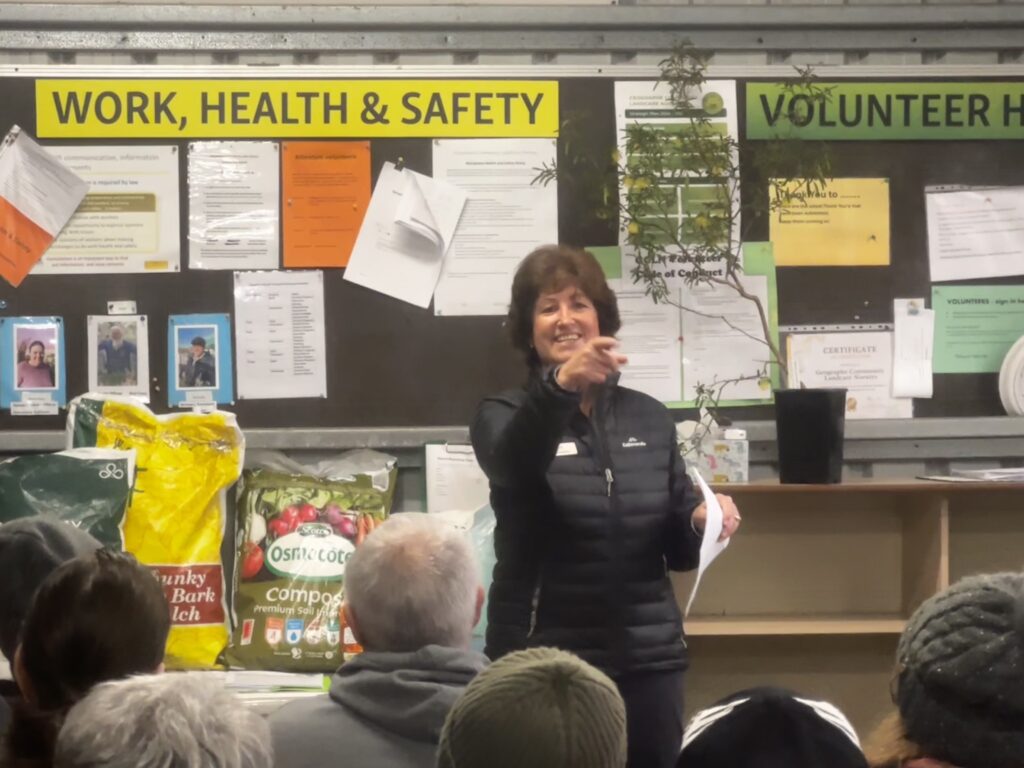
Aquatic ecologist Dr Robyn Paice speaking about the ecological importance of the Broadwater Wetlands.